
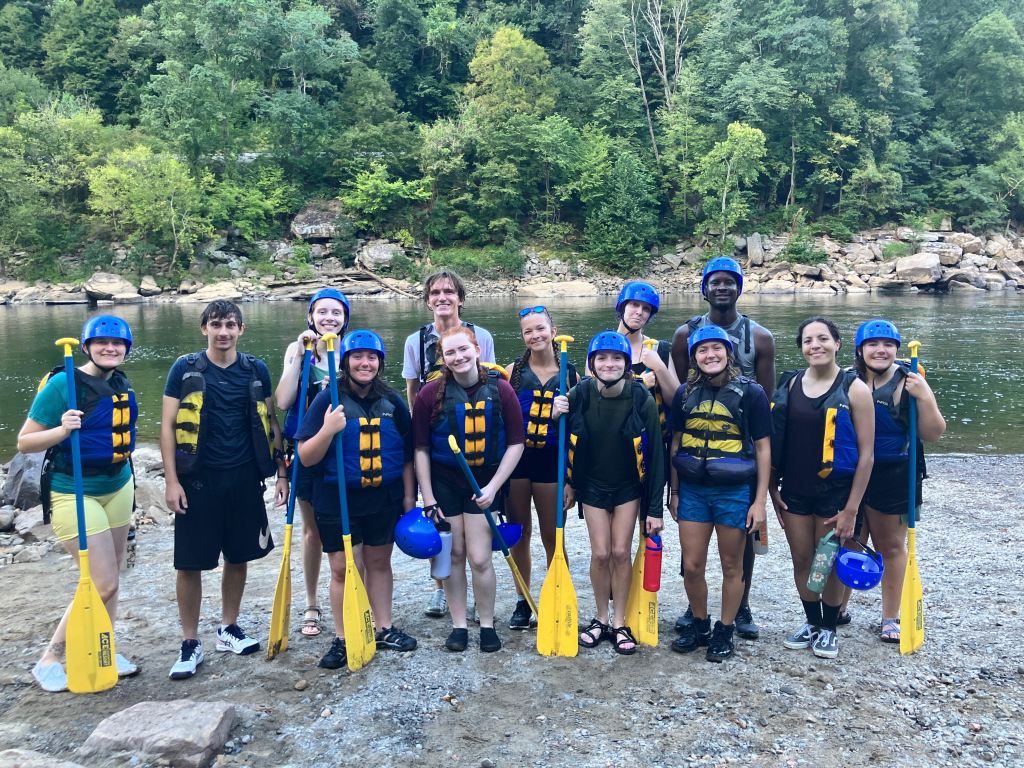
Once an overlooked stretch of land in the American outdoor recreation sector is now a destination for outdoor enthusiasts.
West Virginia’s outdoor activities and tourism industry continue to expand, creating new jobs and business opportunities in communities across the state.
West Virginia offers activities throughout all four seasons and for people of all ages. Since the Covid-19 pandemic in 2020, travelers have increasingly sought nature-based vacations and outdoor experiences to escape a fast-paced and hectic world. West Virginia’s beautiful landscapes, mountains, rivers, and national parks are ideal for visitors seeking a break.
According to Rhea Yokum, a local West Virginian, one of the most popular outdoor activities are hiking, white-water rafting, ziplining, rock climbing, and ATV off road riding, which is especially attractive to younger outdoor enthusiasts who seek a little bit of adventure.
For a rather quiet and calm atmosphere, West Virginia has one of the best trout fishing preserves and cave exploration tours in Elkins. Destinations such as the New River Gorge National Park and Preserve, Seneca Rocks, and the Blackwater Falls State Park have drawn national attention and increased visitor traffic, especially during the summertime. Skiing and spring hiking are favorites during the winter months that help sustain tourism revenue year-round.
The state of West Virginia has increased its investments in state parks, trails, recreational infrastructure, and tourism marketing campaigns. These investments have enhanced visitor experiences and increased the state’s visibility as an emerging travel destination. Outdoor recreation and tourism have become a major economic sector that generates billions of dollars in economic activity and supports thousands of jobs and communities.
Kyle Hoffman, the athletic director of West Virginia Wesleyan College, hopes that with more capital, increased cashflow, enhanced economy, and reasonable costs of living, the state becomes more attractive for out-of-state residents to move to West Virginia or buy a second home. He also believes that federal investments help local towns and communities to find an economic niche and a unique identity to increase the quality of life.
According to a WVU study from March 2026, the outdoor recreation industry contributed $2.3 billion to West Virginia’s economy in 2024 and supported 22,000 jobs and $1 billion in salaries. Although Yokum describes local concerns arising about overcrowding and pollution, federal investments as described in the study conducted by WVU would drive improvements of infrastructure, standards of living, and tourist experiences in West Virginia.

By: Emilie Bergmann


Leave a Reply