
By: Ashton Nardella

Just as coal companies invaded West Virginia previously, AI data companies now draft blueprints and clear land for their data centers. A gas leak looms, and the canary has been let out of its cage.
House Bill 2014 gives AI data companies near-complete power over the areas in which they occupy and gives those same areas almost nothing in return.
According to the West Virginia State Legislature, the bill “prohibits” counties and municipalities from “enforcing ordinances […] which limit, in any way, the […] operation of any certified microgrid district or certified high impact data center project.”
This is despite data centers “not be[ing] subject to […] horticultural, noise, viewshed, lighting, development, or land use ordinances, restrictions, limitations, or approvals,” nor are they “subject” to “county or municipal building permitting, inspection, […] code enforcement […] or license requirements.”
The West Virginia State Legislature states that the construction of these data centers will bring jobs to the Mountain State, which to some West Virginians may seem alluring. After all, West Virginia is in dire need of more economic opportunity.
Indeed, infrastructure will need to be built in order to support the development of these AI data centers, but if these microgrids and data centers are actually realized and complete construction, there is a massive drop-off in employment.
According to DataCenterKnowledge, “the total data center staff number is only several dozen.” (2026)
Furthermore, with the exception of maybe security personnel, a majority of these jobs will not even be held by local West Virginians, as technicians are usually new arrivals to the area. This hardly seems worth it, especially considering the risks inherent to data centers.
Data centers consume large amounts of resources in order to function including land and water.
Dr. Jessica Scott, associate professor of gender studies, is concerned about data centers coming to West Virginia.
“The Appalachian Mountains are a thriving ecosystem. A data center [would] strip that away,” Dr. Scott said, “If you destroy the forest, that’s detrimental to tourism as well.”
The tourism industry is one of West Virginia’s biggest draws due to West Virginia’s rich, natural beauty, but data centers often require hundreds of acres of land for their expansive network of computers. This capture would take away from the wild and wonderful nature of the state.
“Drinking water has been a concern. If you think about Tucker County – I think it was 2 summers ago – [that they] had to have water trucked in. So, there are already drought conditions in parts of West Virginia,” Dr. Scott said.
Data centers require lots of clean, fresh water in order to cool down their machinery. The water used to cool down this machinery is the same water people drink and wash themselves with.
According to the Environmental and Energy Study Institute, data centers “can consume up to 5 million gallons per day, equivalent to the water use of a town populated by 10,000 to 50,000 people.” (2025)
“There’s not safe drinking water in southern West Virginia, so why are we inviting these [data] centers in that are gonna use up what drinking water we have?”
According to a Gazette-Mail analysis of the Environmental Protection Agency data, “in 2024 West Virginia had the nation’s highest percentage of public water systems with health-based Safe Drinking Water Act violations — 29.2 percent.” (2025)
But always there is hope. Across Appalachia, people are rising up. There are farmers who are refusing millions of dollars to keep their land out of the hands of those who would misuse it, and people are organizing more than ever. The canary may be gone, but the miners are still here.
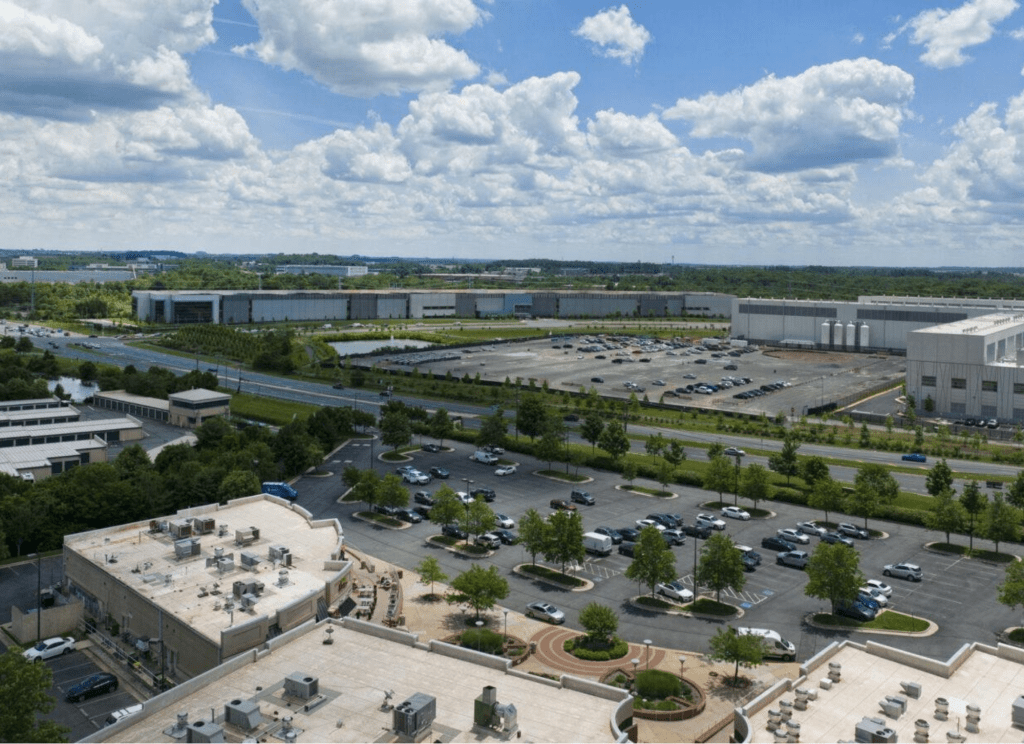
Photo Taken from: West Virginia Watch
 THE PHAROS
Leave a comment