
By Ashton Nardella

Over this past year, artificial intelligence has invaded every sphere of the internet from web browsers to social media sites to application softwares. More recently, however, AI has infiltrated the advertising industry.
The ever-encroaching shadow of AI has even made its way into one of the largest sporting events in the world, the Super Bowl. According to iSpot, “23% of Super Bowl commercials—15 out of the 66 ads—featured AI.”
This level of coverage shows how much clout AI companies have been able to amass in their relatively short lifespan. After all, generative AI has only been in the public’s hands since late 2022, yet companies like OpenAI and Anthropic can already afford ad space for the Super Bowl.
These AI companies, however, are fighting amongst themselves in an effort to gain and/or retain relevance. Anthropic, creator of Claude, created a series of ads for the Super Bowl to call out OpenAI, creator of ChatGPT.
Anthropic attacked OpenAI’s decision to implement ads into their service. Anthropic’s tagline reads: “Ads are coming to AI. But not to Claude.”
To put this advertising campaign into perspective, OpenAI, in order to monetize their service, began testing ads on non-subscription users of ChatGPT in February of this year.
The implementation of ads has raised eyebrows from many people despite assurances from OpenAI that these advertisements “will not influence the answers ChatGPT gives you” and that conversations with ChatGPT will remain “private form advertisers.”
Besides the ethical concerns raised from the services themselves, there is also the use of generative AI in the making of advertisements for non-AI companies. For example, Sazerac, the company that sells Svedka, a vodka brand, made an ad that was almost exclusively rendered by AI.
This is soon after the Coca Cola Company and McDonald’s Corporation released their own AI ads for the holiday season. These ads, however, were met with substantial backlash.
“[Companies like Coca Cola] can afford to pay artists, animators, musicians, [and] advertising people. So that’s what I think is really frustrating for me to see,” said Dr. Lexi de Coning, communication professor here at West Virginia Wesleyan College, “It’s not that I’m anti-AI, it’s that I don’t like the way it’s being used to replace actual human labor and creativity.”
de Coning has a special interest in artificial intelligence and teaches a course on using the technology ethically and efficiently.
“It’s very difficult for most people who have artistic skills to make it as a quote-unquote artist, but advertising is one of those places where if you have that kind of creativity–whether with words or with imagery–[you can],” de Coning said, “I have a friend who’s a filmmaker in South Africa and advertising is a huge part of his career, right? That’s what pays the bills.”
In the midst of this AI ad apocalypse, if there’s anything that people can find hope in, it’s that these AI ads have been met with such fierce resistance.
At the end of the day, these AI companies are trying to sell a product–not only to the general public but to potential investors. When the hype has finally fizzled out, the bubble will burst. The executives who greenlit these AI ads will be reminded that they are nothing without the talent of those below them.
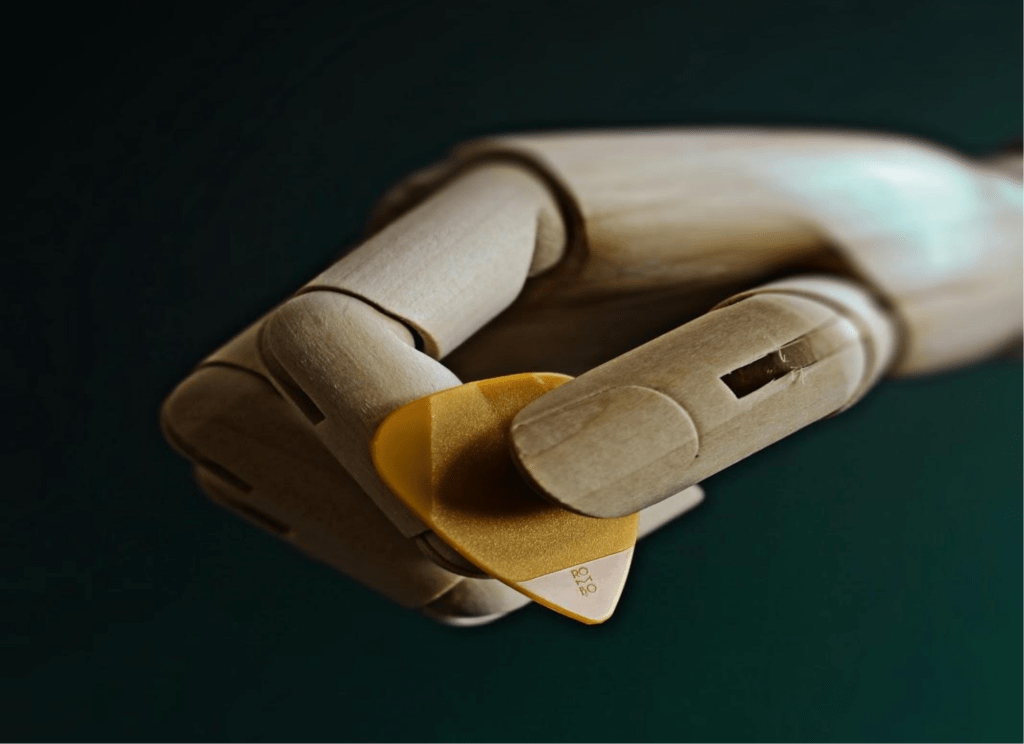
Photo by: ROMBO
 THE PHAROS
Leave a comment