
By: Mason Halfin

Social media platforms are not truly neutral, their engagement-driven algorithms reward polarizing, emotional, and extreme content, many times at the expense of factual information.
Social media platforms has now created a system that prioritizes likes, comments, shares, and even watch time. According to Institute Of Internet Economics, emotionally charged content, and especially posts expressing moral outrage have consistently received more engagement than fact based information or neutral toned posts. What comes from this is what is called the outrage feedback loop, where the users of social media platforms are being rewarded for polarizing content.
This concept has major consequences to the information that people consume on social media. A study from the Council for Responsible Social Media stated that false news or information spreads more rapidly and widely on social media than information that is true. They also state that this is because it’s more emotionally engaging. Because of this, reporting based on facts do generally struggle to compete in the algorithm-driven feeds.
A study conducted by a group of researchers at New York University analyzed tweets in 2017, analyzing how language effected the “virality” or tweets. William Brady, who helped conduct the study stated, “Across all messages, we found that the use of moral-emotional language significantly increased the likelihood of diffusion on social media.” Specifically, they discovered that tweets that included controversial topics like gun control, same-sex marriage, and climate change spread significantly more on social media than neutral posts. The study also found that for each additional “moral-emotional” word, the tweet was 20% more likely to be retweeted. In short, posts that combine moral language with emotion are more viral. This isn’t due to the fact that they’re more accurate, but it’s because they trigger stronger reactions from their audiences.
Looking ahead, the future of social media does raise some questions about whether engagement will continue to outweigh truth. Many higher ups are calling for social media platforms to redesign algorithms to try and help prioritize accurate and transparent information over engagement baiting information. Some changes have already been made like labeling misleading content and adding community notes. In the meantime, outrage and emotional are still the most effective way to capture user engagement, leading to this question. Will platforms be willing to sacrifice engagement in order to promote a more informed and maybe even a less divided public.
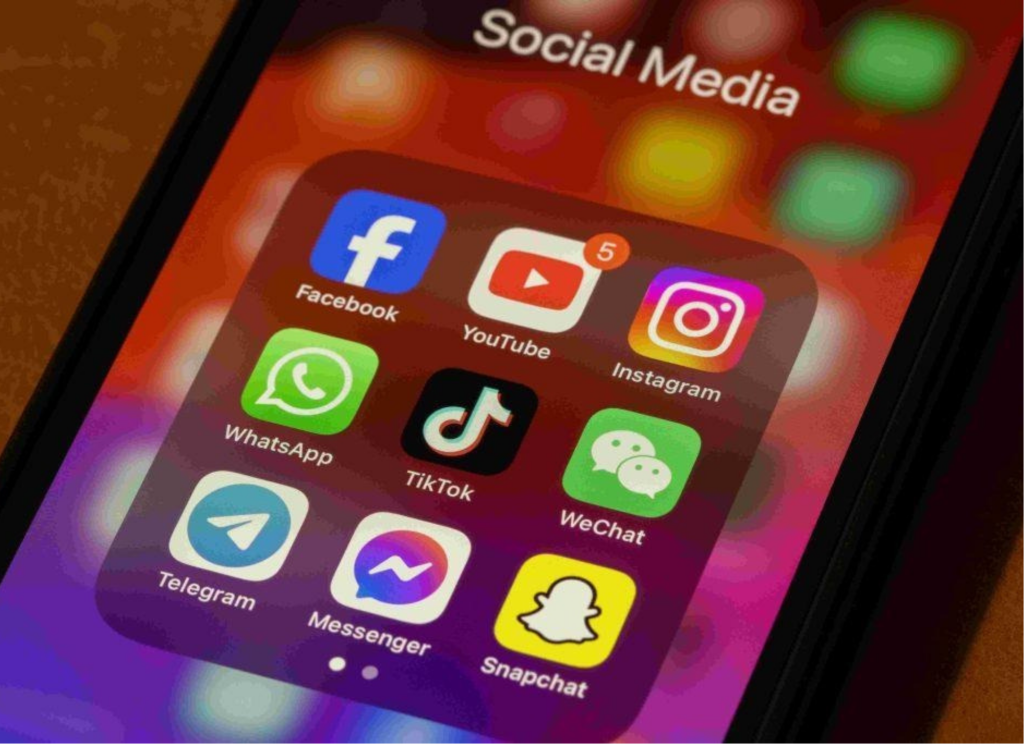
Photo from: Top Social Media Apps to Grow Your Brand in 2025
 THE PHAROS
Leave a comment