
By: Quinn Burnside
Across the United States, school districts are seeing an increase in book bans. Educators say this is limiting students’ access to different perspectives.
From small towns to big cities, titles dealing with gender identity, race, and political ideals are often being challenged or removed from library shelves. This increase in restrictions is affecting students, teachers, and librarians, who say bans are changing classroom discussions and that removing access to books is stifling access to education.
The American Library Association reports that in the past two years, book challenges have reached record numbers, with many of the challenged books containing titles that center LGBTQIA+ characters or authors. In 2024, there were over 800 attempts to censor library materials. Librarians say this has initiated caution for all, with some school districts pulling books off shelves before they can be challenged.
Teachers say these bans are affecting more than just catalogs. Many feel pressured to avoid topics in class discussions, fearing disapproval from administration and complaints from parents. Some librarians have even lost their jobs simply because they offered books to students.
Erin DeStefino, a former librarian and now professor of the banned books class offered at West Virginia Wesleyan College, spoke about how these restrictions are reshaping school environments. She explained that the impact reaches far beyond the shelves themselves. “These book bans lessen what students are allowed to see and imagine; when you strip out stories about race, gender, and sexuality, you’re basically telling some kids their lives don’t belong on the shelf,” she said.
DeStefino added that the stigma surrounding book bans has developed a sense of fear among educators. “It’s made a lot of teachers and librarians hyper‑cautious,” she said. “Many of them now worry, “Is this going to get me in trouble?” instead of focusing on what their students actually need.”
In many places, groups like Moms for Liberty have led efforts to remove books they feel are inappropriate for school. Supporters of these bans argue that parents should have control over what their kids read in classrooms and libraries, specifically when it comes to topics like gender identity, race, and sexuality. They say the goal is not to limit education but to ensure materials are safe and support family values and community standards.
But this idea of protecting students is inaccurate. “I get that people worry about what their kids see, but blocking age‑appropriate books doesn’t protect them—it just leaves them less ready for the real world,” Destefino said. She added how the long term impact could be worse. “If we keep going down this road, we’re going to end up with students who are less curious, less empathetic, and less able to think critically because we’ve only shown them a cleaned‑up version of reality.”
The rise of book bans across the United States is impacting the educational environment in ways beyond library shelves. As challenges continue to target stories involving diversity and LGBTQIA+ topics, students are losing access to different perspectives that could help them understand the world they live in.
While attempts to censor books are at record highs, the defining issue in communities nationwide is deciding which voices belong in schools, a debate shaped by political pressure that often leaves educators stuck in the middle.
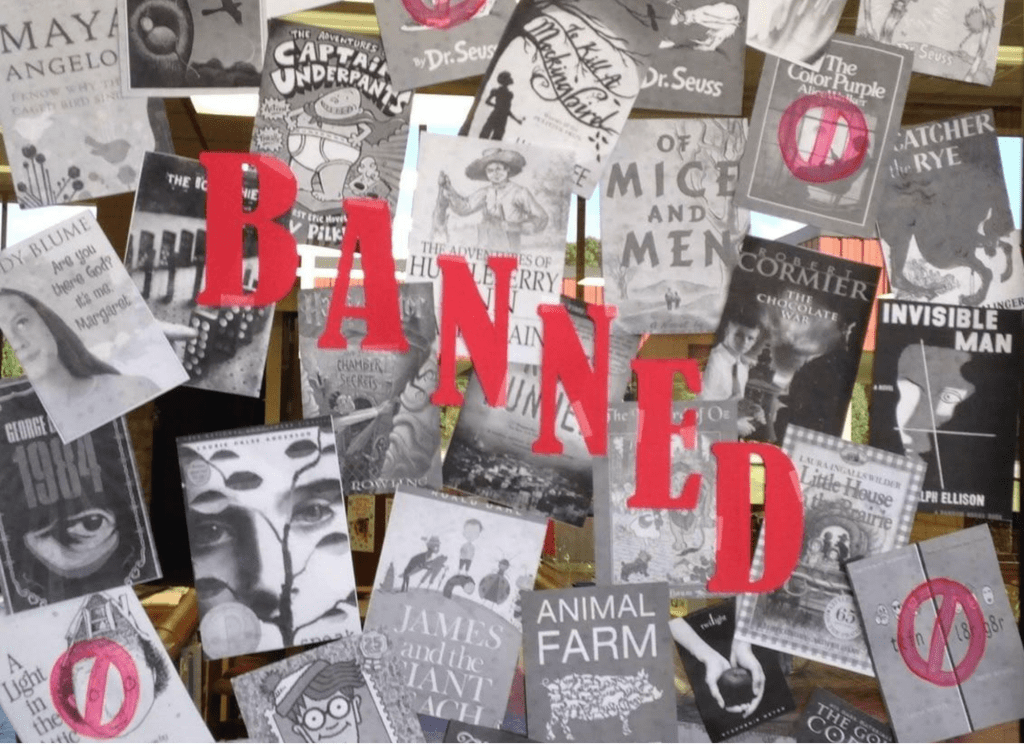
Photo by: American Library Association
 THE PHAROS
Leave a comment