
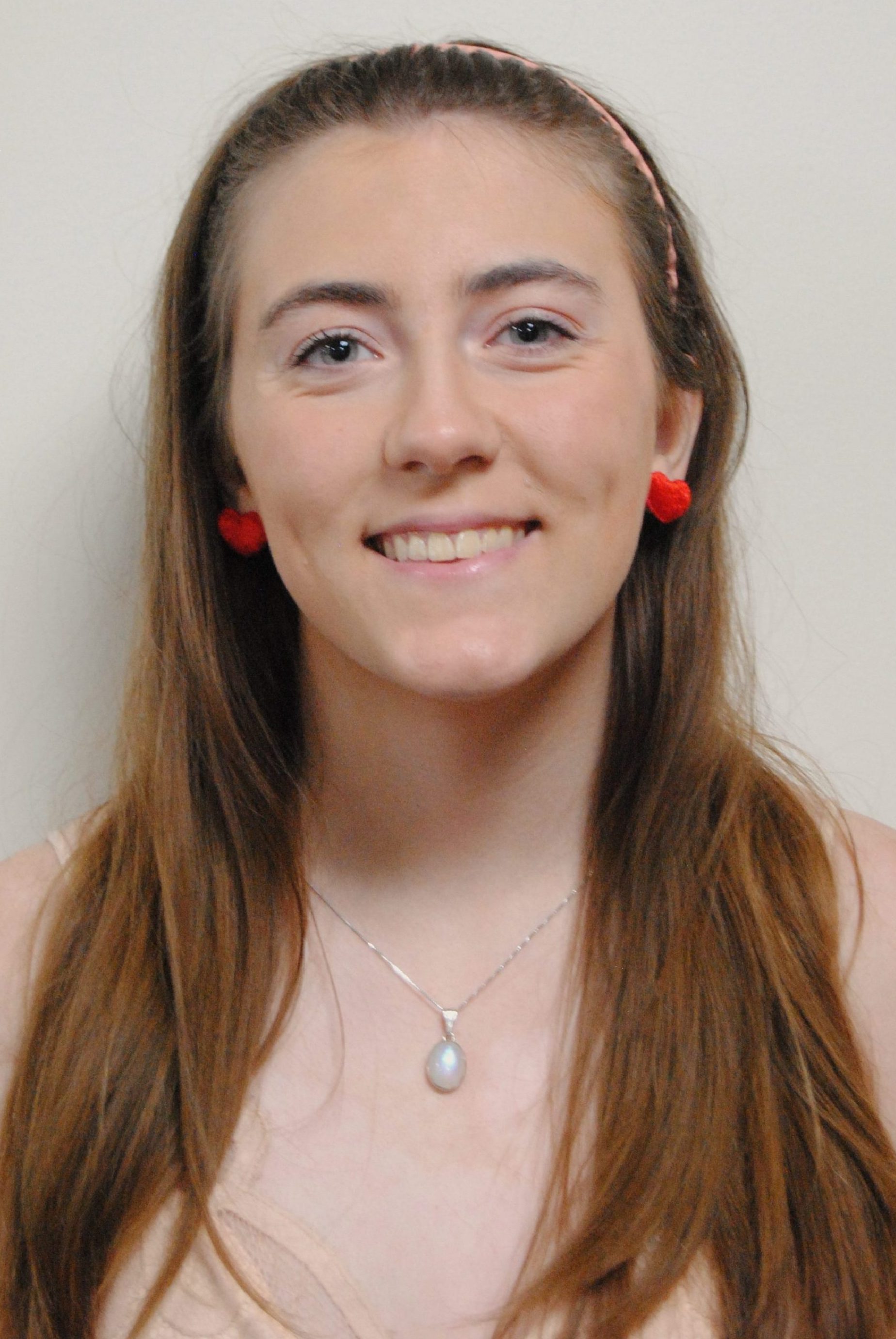
By: Leigh Rice
A drum… a drum… Macbeth doth come! This fall, a brand-new adaptation of The Tragedy of Macbeth is coming to West Virginia Wesleyan College– Macbeth: Bewitched. Be prepared for a magical, chaotic experience, as tragedy and comedy collide in this retelling of one of the most famous stories of all time!
The West Virginia Wesleyan Department of Theater and Dance puts on a mainstage production every fall semester, usually a straight play instead of a musical. Students taking Stagecraft or Theater work study are building the sets and making the costumes. The cast is composed mostly of Theater and Musical Theater majors, and students typically take on the responsibilities of stage manager, assistant stage manager, and props master. This is a very collaborative process, where the students have a large part in making the production a reality.
This fall semester, the mainstage production is called Macbeth: Bewitched. It’s an adaptation of the famous Shakespeare show The Tragedy of Macbeth—one of the best-known plays of all time, and one of the most produced. This adaptation was written by Wesleyan professor Gregory Mach, who teaches Stage Makeup, Voice and Diction, and other theater courses, as well as being an actor and playwright.
Professor Mach wrote this adaptation over his spring sabbatical and summer break, reworking the plot and characters, and adding some original touches, while still leaving most of the original Shakespearean writing intact. He has had this idea for a long time, as the Theater Department must put on a Shakespeare production at least every four years.
Shakespeare’s title for this play was The Tragedy of Macbeth, but this adaptation takes things for a more comedic turn. In this twisted tale, things were all going the way they should, with the Scots winning the war against the Norwegians, and King Duncan happily ruling… until a trio of witches—who exist beyond time and space—decide to spice things up a little, and accidentally set off a chain reaction that ruins everything.
Shakespearean scholars have discussed for decades the fact that Macbeth includes some interesting depictions of traditional gender roles. In an interview, Professor Mach talked about how he has also leaned into those themes with this adaptation. Macbeth begins the play as a softer, more gentle, and submissive character, leaning toward more traditionally “feminine” behaviors, but becomes stronger and ends the play as an almost monstrous depiction of toxic masculinity. Contrastingly, Lady Macbeth begins as a stronger, more “masculine” character, taking charge of the narrative, but “suffers from her conscious”, as Professor Mach said, and becomes more fragile and childlike.Macbeth: Bewitched will be performed October 23rd-25th at 7:30pm, with an additional matinee performance at 2pm on the 25th. The final dress rehearsal will be an invited dress rehearsal for the Wesleyan community.

Photo Credit: Gregory Mach
 THE PHAROS
Leave a comment